
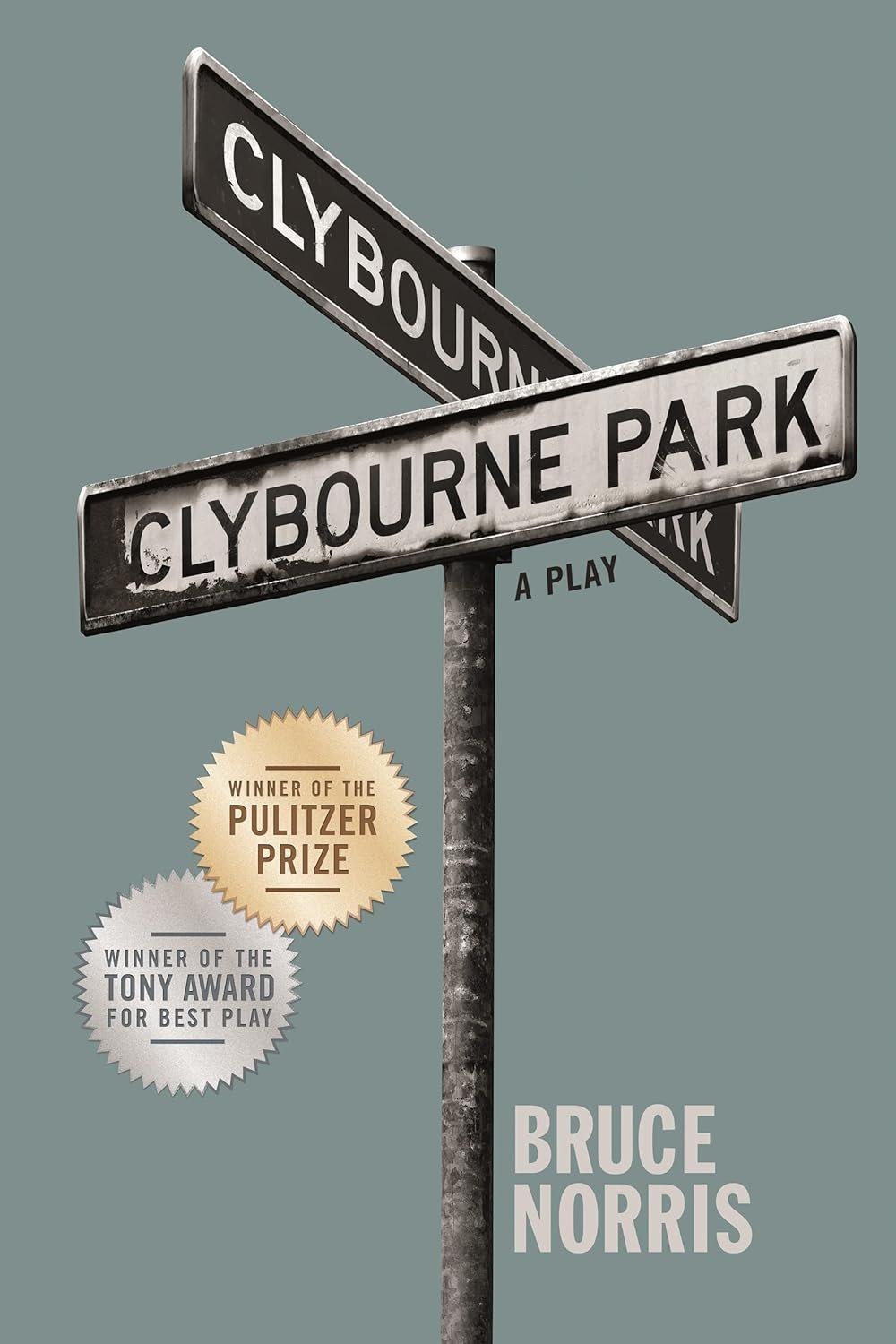
Exploring the Layers in Bruce Norris’s Clybourne Park: A Play
When I first picked up Clybourne Park by Bruce Norris, I was unaware it would become such a crucial ticket into understanding the tangled web of race, property, and social dynamics woven through American life. As I flipped through the pages, I felt a palpable excitement—this was no ordinary play. With its roots in Lorraine Hansberry’s iconic A Raisin in the Sun, Norris’s work invites you to reflect not just on the characters but also on the scenery of our society’s ongoing struggles.
The narrative splits across two acts—1959 and 2009—each presenting a unique perspective on the same charming house in Clybourne Park. In the first act, Russ and Bev, a white couple, are attempting to sell their home, unknowingly setting off a storm of discontent as they prepare for the arrival of the first Black family in a neighborhood that has long shunned diversity. The second act flips the script, showcasing a new white couple looking to gentrify the now predominantly Black community. Here, the stark contrasts of time reveal a bitter truth: while the cast of characters and attitudes may have changed, the deep-seated issues remain astonishingly familiar.
Norris’s writing—sharp, witty, and often painfully funny—pulls you in like a well-scripted sitcom while wrestling with issues that are anything but lighthearted. There’s a particular moment in the 2009 act where a humorous exchange about property values escalates into a heated discussion about racial identity and belonging. It left me chuckling and cringing simultaneously, a testament to how humor can cut deep, often making us confront the uncomfortable realities we might prefer to ignore.



The dialogue shines, filled with crisp lines that bring each character to life, from the well-meaning yet oblivious homeowners to the seasoned residents grappling with change. The depth of these interactions sparked reflections on my own perceptions of community and privilege. I found myself underlining a quote that resonated profoundly: "What was once ours is still ours, but is now yours." How profoundly simple and painfully complex that sentiment is in a world grappling with gentrification!
Yet, while the play gave me much to laugh about, it also encouraged some serious introspection regarding our collective legacy of racial divides in America. As I turned the last page, I felt a mix of exhilaration and melancholy—a reminder that entertaining dialogue can entwine with poignant social critique, all the while fending off the impulse to look away.
Clybourne Park is a play for anyone who appreciates the intersections of comedy and earnest commentary, making it an excellent read for theatre lovers, social activists, and even casual readers who find themselves pondering the complexities of the human experience. It’s a vivid reminder that laughter and dialogue might pave the way for understanding—if we let them. In a world crying out for inclusivity, this play not only entertains but invites us to engage in conversations that matter. Reading this work left an indelible mark on my thoughts about home, community, and identity, and I can’t encourage you enough to experience it for yourself.
You can find Clybourne Park: A Play (Tony Award Best Play) here >>