
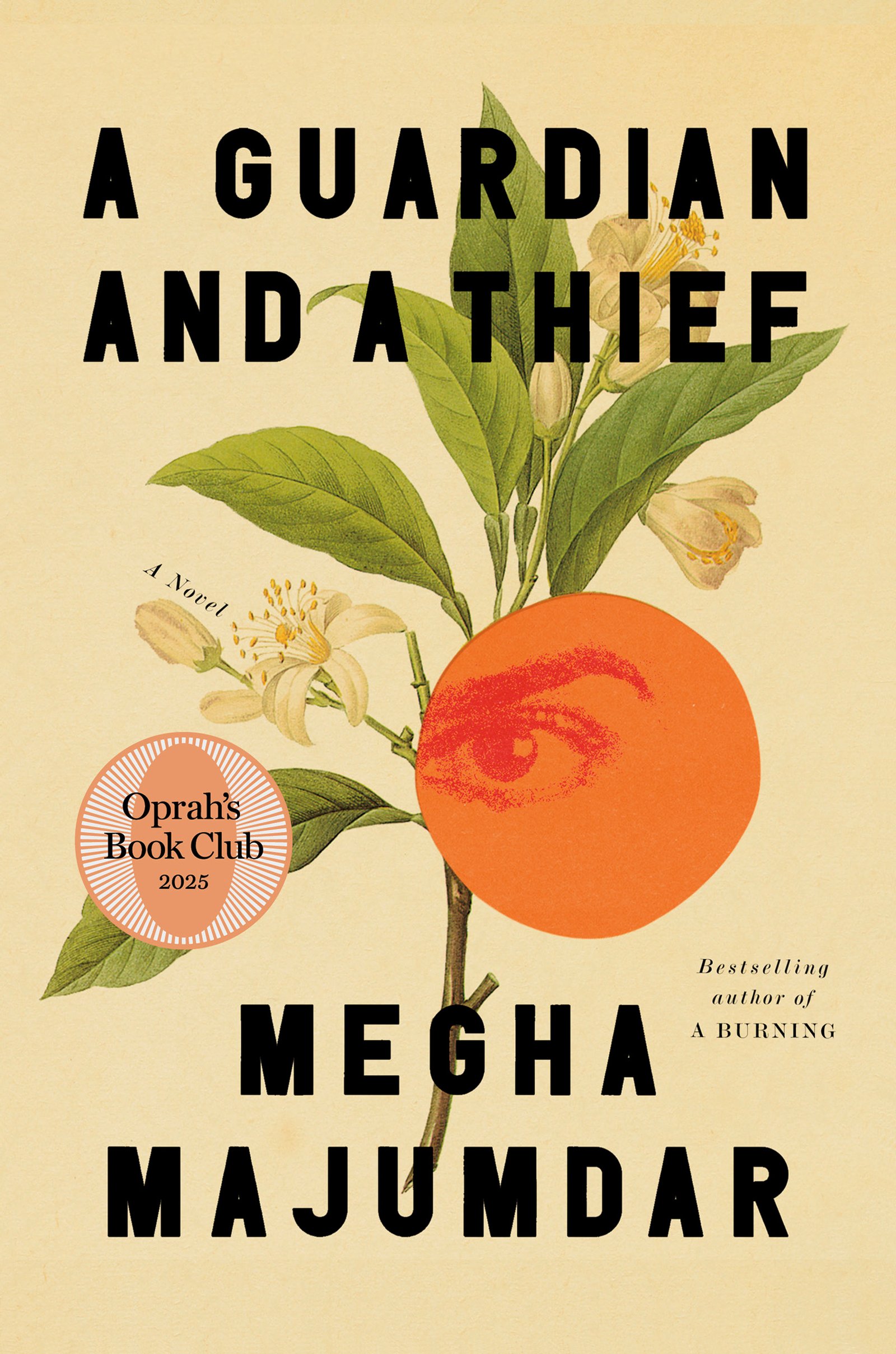
Book Review: A Guardian and a Thief by Megha Majumdar
As someone who finds an almost magnetic pull toward stories that crack open the complexities of human nature, A Guardian and a Thief by Megha Majumdar captured my attention right from its evocative opening. The visceral descriptions of Kolkata’s stifling heat and suffocating despair paired with its inhabitants’ struggles to survive are as relatable as they are harrowing. Reading this book felt like walking a tightrope between hope and hopelessness, and I was fascinated to see how Majumdar navigated the intricate dance of morality.
At the heart of the novel is Ma, a woman who runs a shelter for flood refugees but finds herself struggling against both hunger and moral decay. She steals from those she aims to help, a justified theft in her eyes as she clings to the notion of survival for her family. This tension sets the tone for the story, which explores the blurred lines between guardian and thief, compassion and self-preservation. Majumdar does an extraordinary job of illustrating how desperation distorts ethics, pushing even decent people to commit acts they once deemed unthinkable.






Majumdar’s writing style is both stark and poignant, painting vivid imagery of a city that’s simultaneously alive and decaying. The pacing mirrors the characters’ frantic lives: just as one begins to grasp a moment of calm, chaos erupts anew. The way she alternates between Ma’s chaotic domesticity and her conversations with her husband in Michigan feels like a stark reminder of the disparity between hope and reality—a literary mirror to the absurdities of life in a collapsing world.
One moment that really resonated with me was when Ma imagines America as "a refrigerator with a flag." It encapsulates her longing for a better life while subtly critiquing the unrealistic ideals we often hold. Such moments of dark humor deftly cut through the heaviness of the narrative, a testament to how Majumdar seamlessly blends tragedy with absurdity.
The more I read, the more I found myself pondering the fundamental questions the book raises: Who gets to decide what constitutes a crime when survival is at stake? Everyone in the story grapples with their own form of theft, and as the plot unfolds, the reader is left to reflect on humanity’s often hypocritical nature. Majumdar lays bare uncomfortable truths about social justice and personal responsibility that feel as relevant in our own world as they do in the heat-soaked streets of Kolkata.
I would highly recommend A Guardian and a Thief to readers intrigued by stories exploring moral ambiguity and the cost of survival. It’s an unsettling yet necessary read for those who appreciate literature that challenges them to reconsider their perspectives on privilege, guilt, and ethics.
As I closed the book, I found myself pondering the layers of truth within the fiction. Majumdar’s novel did not just speak about hunger but about the intricate hunger for righteousness and the often compromised integrity that comes with it. It’s a gut-wrenching truth that still echoes within me, reminding me that sometimes, laughter truly is the only renewable energy we have left.
In a world where every line is blurred, A Guardian and a Thief reminds us that every story is worth telling—even the ugly ones.