
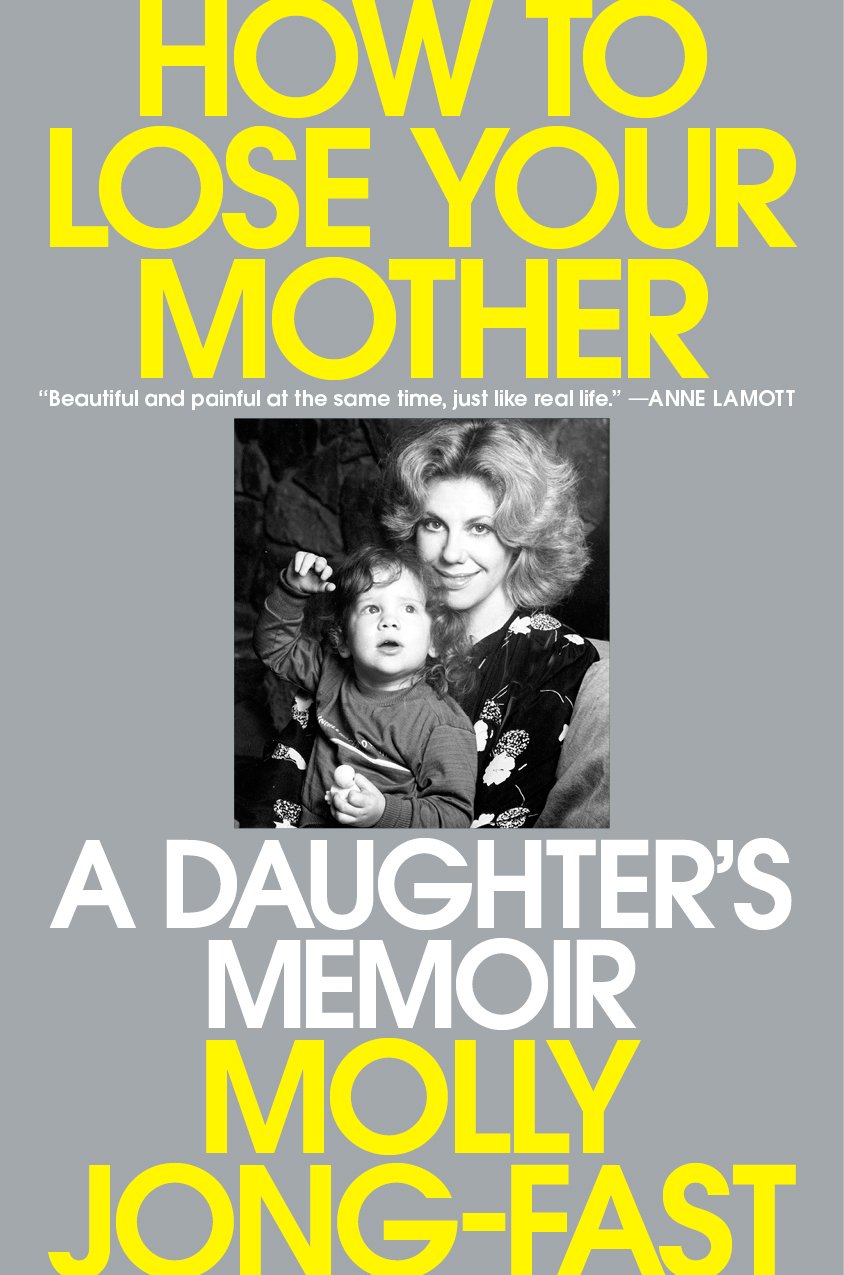
How to Lose Your Mother: A Daughter’s Memoir by Molly Jong-Fast – A Journey Through Love, Loss, and Literary Legacies
When I first picked up How to Lose Your Mother: A Daughter’s Memoir by Molly Jong-Fast, I expected a reflective exploration of familial bonds tangled in the threads of literary fame. What I found was far richer—a deeply personal narrative that unravels not just the complexity of a mother-daughter relationship, but also the broader implications of growing up in the shadow of a public figure. As the daughter of feminist icon Erica Jong, Molly’s story resonates on multiple levels, making it an engaging read for anyone who has grappled with the challenges of loving a complicated parent.
From the outset, Jong-Fast’s prose invites us in, revealing the intricacies of her upbringing as both enchanting and suffocating. The powerful opening immediately struck a chord with my own experiences: how can one relate to a parent who is simultaneously a global icon and an emotionally absent caregiver? These themes of presence and absence play out beautifully throughout the memoir, especially in the context of the fraught emotional terrain created by Jong’s mother’s fame. Molly skillfully recounts moments that showcase her mother’s brilliance and insecurity, painting Erica not just as a celebrity but as a deeply human figure—both brilliant and flawed.





Jong-Fast’s 2023, termed her "annus horribilis," adds palpable tension to the narrative. The convergence of her mother’s dementia and her husband’s cancer creates an emotional landscape ripe for exploration. I found this dual crisis to be a compelling lens through which Molly examines the weight of caregiving and the sometimes brutal reality of familial love. Her candidness in addressing her limitations as a caregiver—acknowledging both relief and guilt at the thought of placing her parents in a nursing home—struck me as both refreshing and brutally honest. It’s rare to see such transparent reflection in a memoir.
What truly captivated me, though, was Jong-Fast’s writing style. She deftly weaves dark humor into her reflections, ensuring we’re not merely submerged in sorrow but also buoyed by her resilience and wit. Her ability to shift between nostalgia and sharp critique mirrors the complex emotions often felt in similar familial dynamics. I was particularly moved by her vivid descriptions of settings that reflect her personal journey, like the “haunted” brownstone of her childhood and her trips to Italy, where she accompanied her mother on romantic escapades. These locations become characters in their own right, imbuing the narrative with depth and texture.
While there are moments where her privilege might be hard for some readers to relate to, particularly when discussing luxury trips or top-tier medical care, Jong-Fast doesn’t shy away from acknowledging the emotional neglect that often accompanies such wealth. This honesty adds depth to her perspective and allows for a richer understanding of her experiences.
How to Lose Your Mother is not just a memoir about the trials of having a challenging parent; it’s a resonant exploration of the highs and lows of love, family dynamics, and the shadow of legacy. I believe this book will resonate with anyone who has navigated complex relationships, especially those with parents who seem larger than life.
In closing, if you find yourself drawn to heartfelt, unflinching memoirs that tackle the nuances of familial love with humor and grace, Jong-Fast’s work deserves a spot on your reading list. This memoir left me with a deeper understanding of my own relationships, encouraging me to reflect on the legacies we inherit and the boundaries we need to set. Molly Jong-Fast’s journey is one of learning how to care for oneself amidst the complexities of loving another—a narrative that lingers long after the last page is turned.
Discover more about How to Lose Your Mother: A Daughter’s Memoir on GoodReads >>