
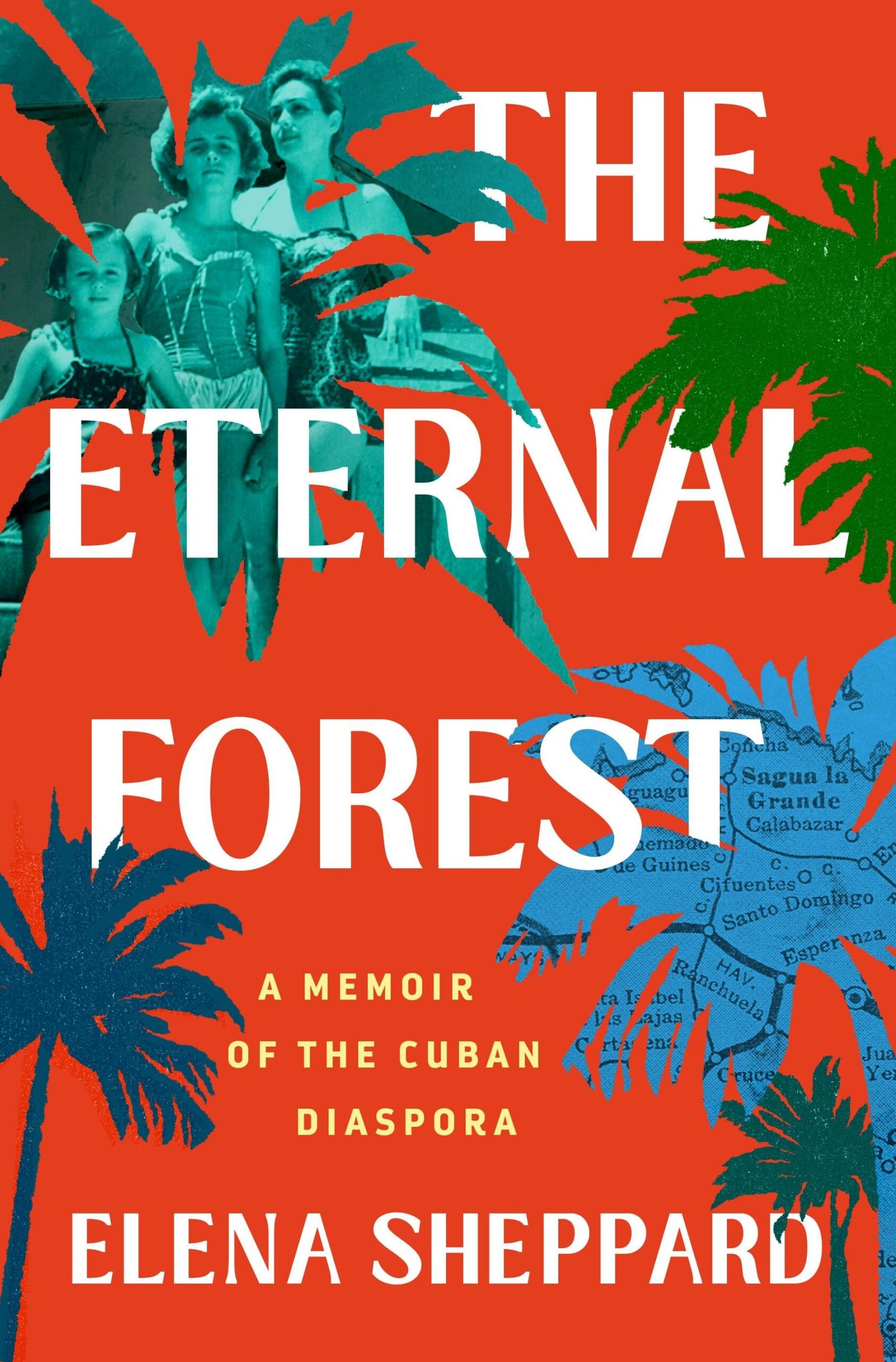
Finding Roots in Memory: A Reflection on The Eternal Forest: A Memoir of the Cuban Diaspora
When I first picked up Elena Sheppard’s The Eternal Forest: A Memoir of the Cuban Diaspora, I found myself drawn in not only by its evocative title but also by the promise of a nuanced exploration of identity, legacy, and the tangled roots of trauma. As someone who has wrestled with the echoes of my own ancestral stories, I was eager to see how Sheppard would weave her family’s narrative—a rich tapestry marked by the sun-washed streets of pre-revolutionary Cuba and the uncertainties of exile.
What struck me most immediately was Sheppard’s lush and textured prose that felt less like traditional memoir and more akin to poetry or song. Each line seemed to pulse with memory and emotion, pulling me into a world where the past and present coexist, much like the intertwined branches of a forest. She describes her family’s journey—her grandmother Rosita and her mother Margarita—as not just a migration but a significant passage through the very fabric of their identity, laden with both hope and despair. Through her words, I could feel the weight of their memories, haunting yet beautiful: “concentric circles on a cave wall, a name passed lip to ear, a whisper in the dead of night.”





At its heart, The Eternal Forest is a multi-generational tale that centers on the lives of three Cuban women grappling with the weight of home—an identity frozen in a moment of rupture. I found myself especially moved by the portrayal of Sheppard’s aunt Mariana, whose tragic struggles with mental illness highlight not just personal pain but the intergenerational trauma that often resides in families who have experienced exile. The insight that trauma transcends mere anecdote, becoming almost a character itself, was both challenging and enlightening. Sheppard’s honest treatment of these themes is a crucial touchstone throughout the memoir.
Her exploration of identity and belonging resonated with me deeply. The question of “Am I Cuban enough?” became a thematic thread that wove its way through her journey, echoing the experiences many of us face when navigating our roots in a fragmented world. As she traversed her family’s history—visiting Cuba and recording her grandmother’s stories—I felt a kinship, a shared struggle to reconcile dual identities and understand one’s place in the broader narrative of diaspora.
The non-linear structure of Sheppard’s memoir—comprised of vivid vignettes—reminded me of how memory operates: as a forest, filled with paths to explore and corners to lose oneself in. While some readers might find the fragmented approach challenging, I found it refreshing and reflective of real-life experiences. It allowed me to feel rather than simply understand—a crucial aspect of any memoir that seeks to touch the heart.
The Eternal Forest is not just a record of personal history but a thoughtful commentary on broader political issues, particularly about the Cuban diaspora. She deftly intertwines her family’s story with the political undercurrents of U.S.-Cuba relations, reminding us how personal narratives are inextricably linked to collective histories, policies, and the multifaceted nature of refuge.
This memoir is a warm invitation to anyone interested in stories of identity, resilience, and the emotional landscapes of memory. Whether you’re drawn to the lyrical prose, the poignant exploration of mental illness, or the rich cultural insights, there’s a piece of Sheppard’s narrative waiting to resonate with you. Perhaps like me, you may find that The Eternal Forest prompts you to reflect on your own roots and the stories that shape who you are. In this era of dislocation and searching for belonging, Sheppard’s poignant insights serve as both a tribute and a reckoning—a heart-felt anthem for the generations dispersed yet tethered by the weight of legacy.
Discover more about The Eternal Forest: A Memoir of the Cuban Diaspora on GoodReads >>