
Exploring the Timelessness of "The Greek Plays"
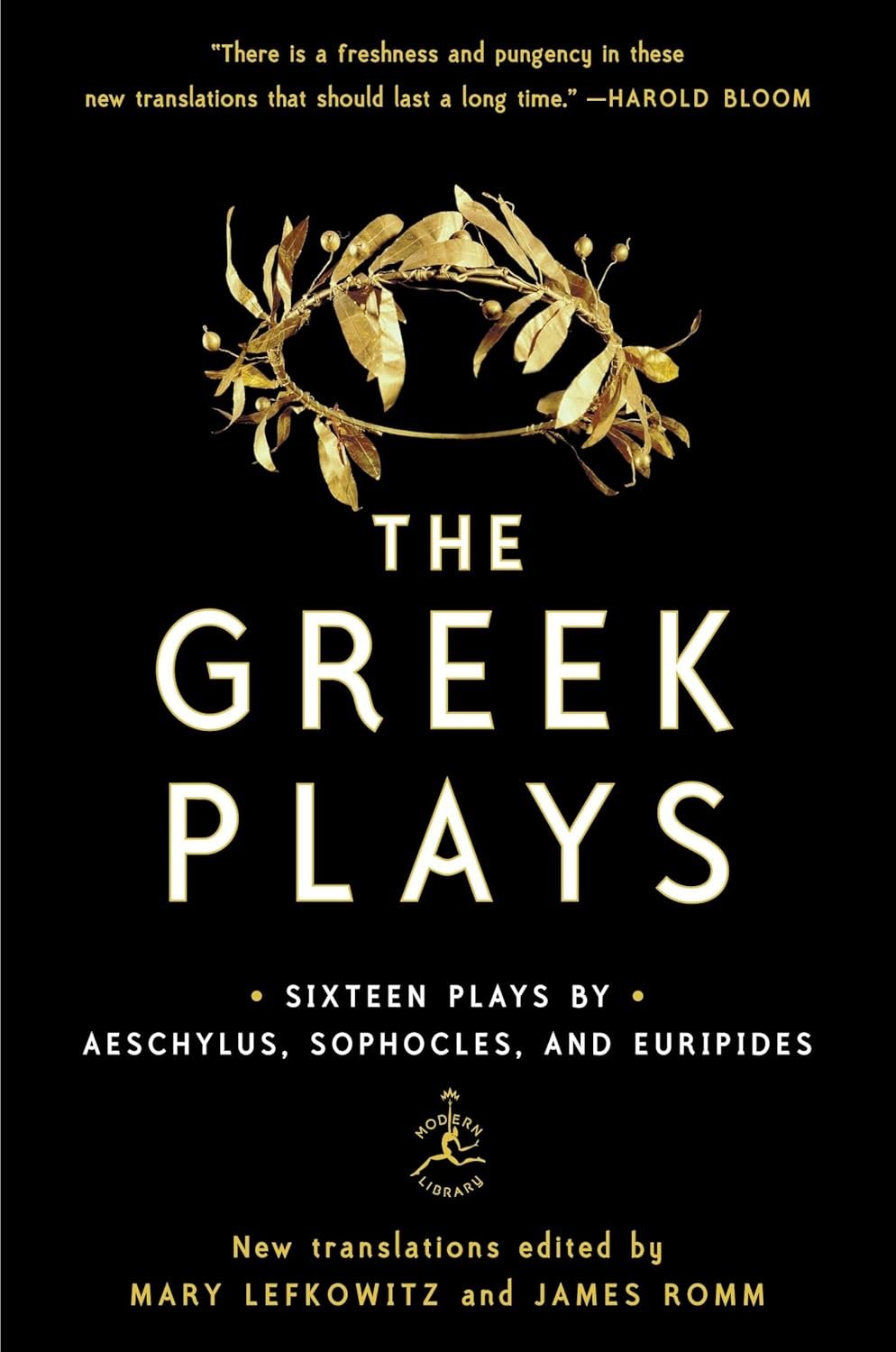
When I first cracked open The Greek Plays: Sixteen Plays by Aeschylus, Sophocles, and Euripides, I felt a flicker of excitement—like stepping into an ancient amphitheater. Greek drama has long fascinated me with its rich tapestry of human emotion, morality, and the divine, and this anthology, filled with fresh translations by renowned scholars, promised to breathe new life into these timeless stories.
From the moment I read the iconic opening lines of Agamemnon, I was captivated by the weight of fate and the rawness of human conflict. The characters—Agamemnon, Clytemnestra, and Orestes—grapple with themes that feel as relevant today as they did in ancient Greece: justice, revenge, and the cyclical nature of violence. The haunting question of whether we are destined to repeat our past mistakes resonates deeply in our contemporary world, making the play a mirror for our own societies.
What struck me most about this collection is not just the what of the stories but the how these masterful translators—Emily Wilson, Sarah Ruden, and others—choose to present these ancient texts. Their modern, accessible language pulsates with a vibrancy that feels alive, allowing the characters’ emotions to leap off the page. Mary Lefkowitz’s Medea was particularly stunning, with its exploration of love turned to rage. I found myself both horrified and enthralled as I witnessed a woman pushed to her limits, her pain palpable in every word.






The introductions and annotations serve as delightful companions, inviting readers into the historical and cultural context while enriching each play. This thoughtful curation aids both newcomers and seasoned readers in navigating the emotional landscapes of these stories. As I immersed myself in Antigone’s defiance against authority and Oedipus’s pursuit of truth, I couldn’t help but reflect on my own struggles with moral dilemmas in a modern setting.
One moment that lingers in my mind is from Bacchae, where the lines between civilization and chaos blur hauntingly. The dichotomy of rationality versus instinct raised in this play echoed long after I finished reading, leaving me pondering where those lines might exist in today’s world.
In the words of the critic Harold Bloom, this modern translation brings a “freshness and pungency” that indeed feels like a guiding light through our darkened times. Such insights not only illuminate the texts but also reverberate with urgency, reminding us of the complex layers of human life.
At 864 pages, The Greek Plays offers a substantial journey, yet the pages turn effortlessly. It’s a read I would recommend to anyone curious about the human condition—students, scholars, or even casual readers looking for an exploration of the profound questions that haunt us all.
In closing, immersing myself in The Greek Plays has invigorated my understanding of humanity’s journey. It’s a timeless collection that I suspect will forever find a place on my bookshelf, ready to be revisited whenever I seek wisdom from the past. So if you’re searching for a rich, thought-provoking read that encompasses the depth of human emotion and experience, look no further—these ancient tales await your discovery!