
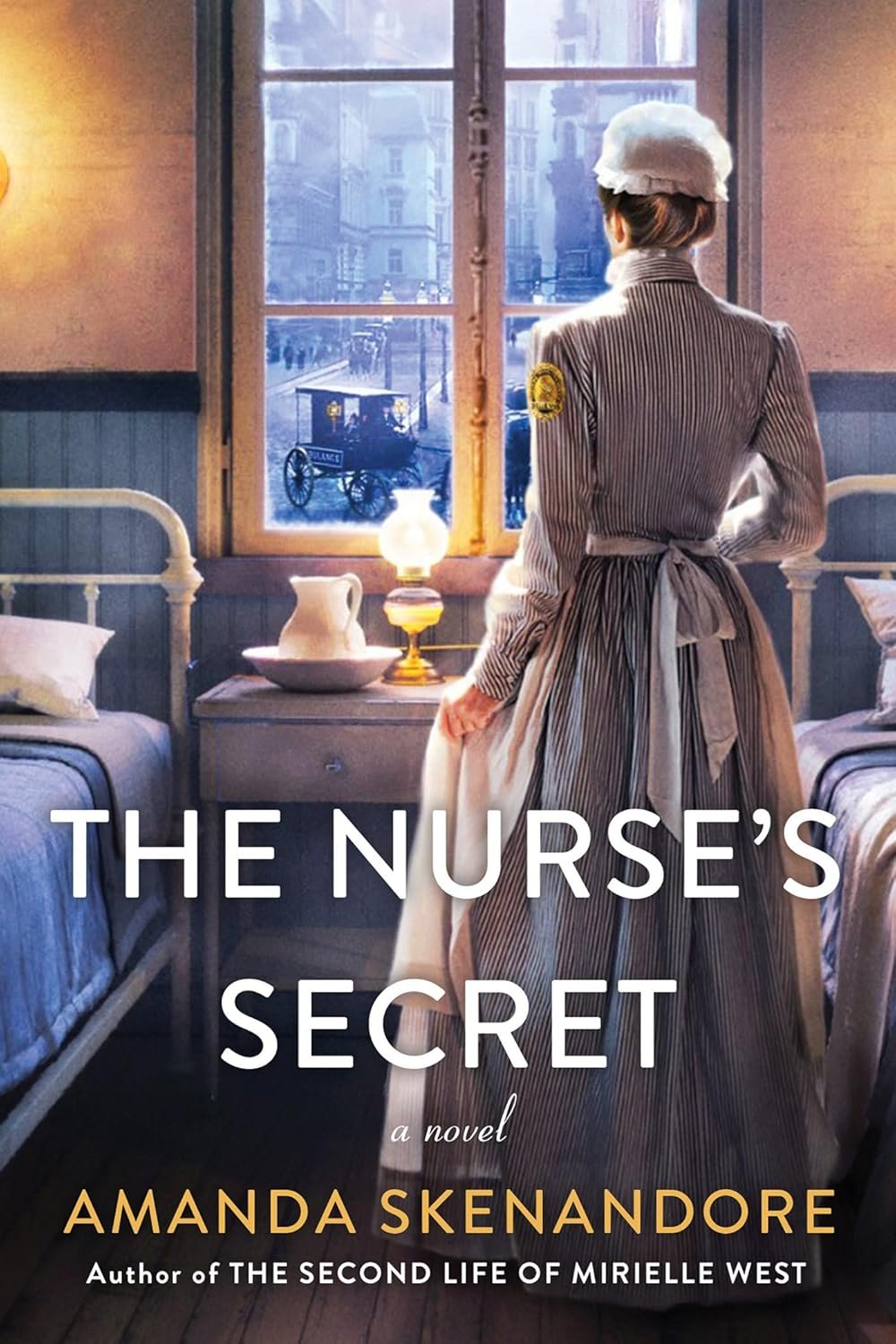
A Journey Through Shadows: A Review of The Nurse’s Secret by Amanda Skenandore
As a lifelong fan of historical fiction, I often find myself drawn to stories that pull back the curtain on forgotten eras, revealing the intricate lives of those who lived them. Amanda Skenandore’s The Nurse’s Secret caught my eye not only for its thrilling premise—where a young female grifter cons her way into America’s first nursing school—but also for the rich tapestry of 1880s New York City it promises to unveil.
From the first page, I was captivated by Una, our fierce and resourceful heroine. She embodies the complexities of survival in a patriarchal society, where women were often marginalized or underestimated. Skenandore masterfully juxtaposes Una’s gritty street smarts with the more privileged world of her classmates at Bellevue, revealing both the harsh realities of life and the unwavering resilience required to navigate them. Just as Una learns the discipline of nursing, we witness her transformation from a gruff streetwise girl to a woman of integrity and compassion.
The novel explores themes of identity, moral ambiguity, and the evolution of modern nursing, all while threading in elements of suspense. As murders start to escalate within the narrative, Skenandore keeps us on our toes, expertly weaving in clues that had me second-guessing every character’s motives. The darkness of Gilded Age New York feels palpable, with vivid descriptions that transport you to the bustling yet gritty streets lined with opulence and despair.





Skenandore’s writing style is a delightful balance of lyrical and sharp, with a pace that picks up nicely as the chapters unfold. One could argue that the pacing falters slightly at times, particularly when delving into the technical aspects of nursing practices of the time. However, these moments serve to enhance our understanding of Una’s journey. Her experiences in the not-so-glamorous world of medicine punctuate the era’s obsession with class and reputation, making her fight for acceptance even more compelling.
One notable moment that resonated with me was when Una reflects on her nursing training, realizing that “to help others heal, she must first confront the wounds within herself.” This poignant line encapsulates the essence of the story—how personal growth often mirrors professional calling. It’s a testament to how intertwined our identities can be with our vocations, especially in fields like nursing, where empathy must prevail over hardship.
For those who enjoy rich, character-driven narratives melded with suspense, The Nurse’s Secret is a must-read. It is especially suitable for fans of historical novels that shine a light on underrepresented perspectives and offer insight into the past.
As I closed the book, I felt a profound connection to Una, her struggles echoing far beyond the confines of her time. Amanda Skenandore has not just woven an enthralling tale; she has opened a window to the past, encouraging readers to reflect on how far we’ve come—and how far we still have to go. If you find inspiration in the stories of women who seize their destinies, this book is undoubtedly worth your time.